Akvavit: Norway's Liquid Heritage
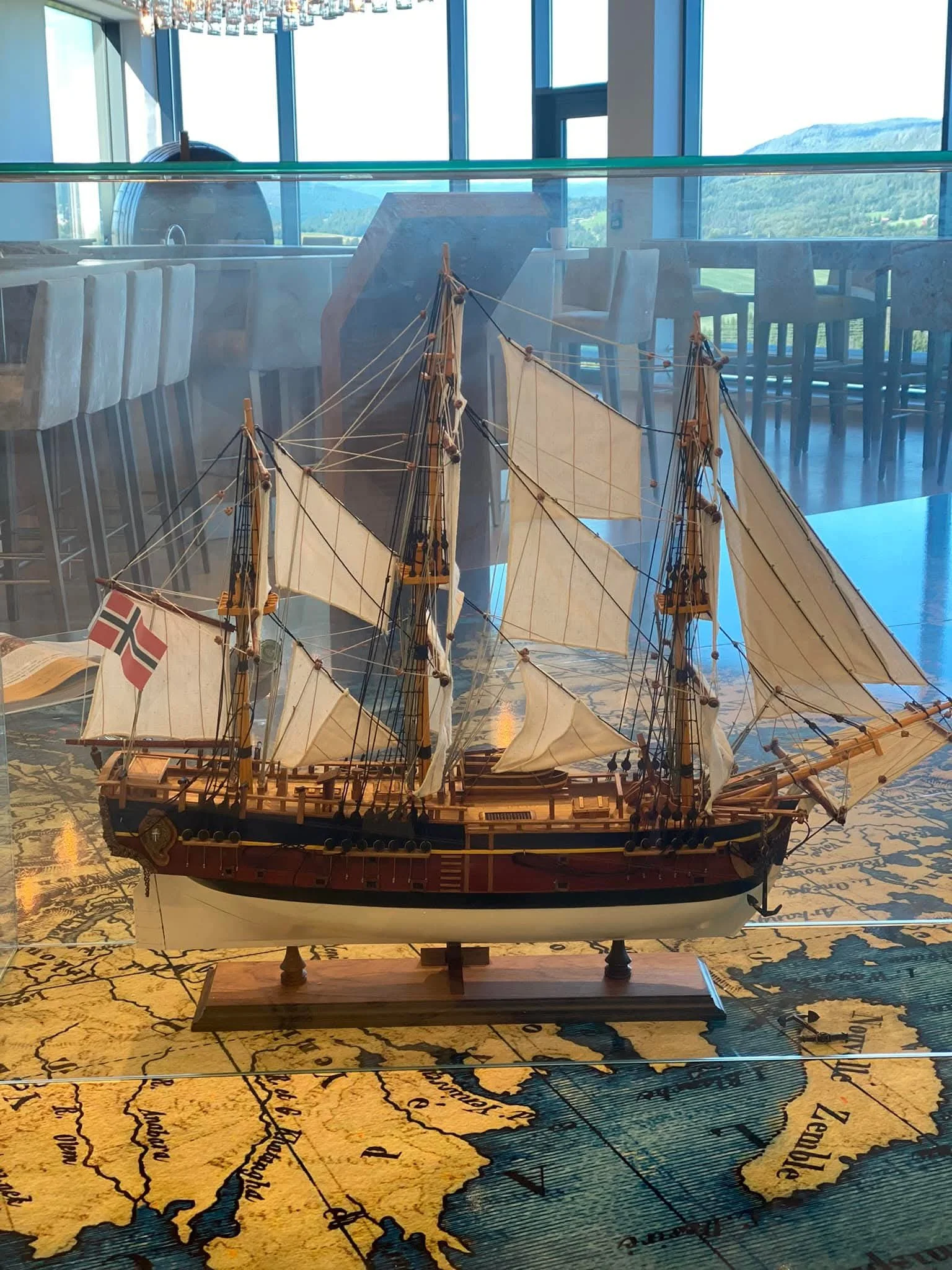
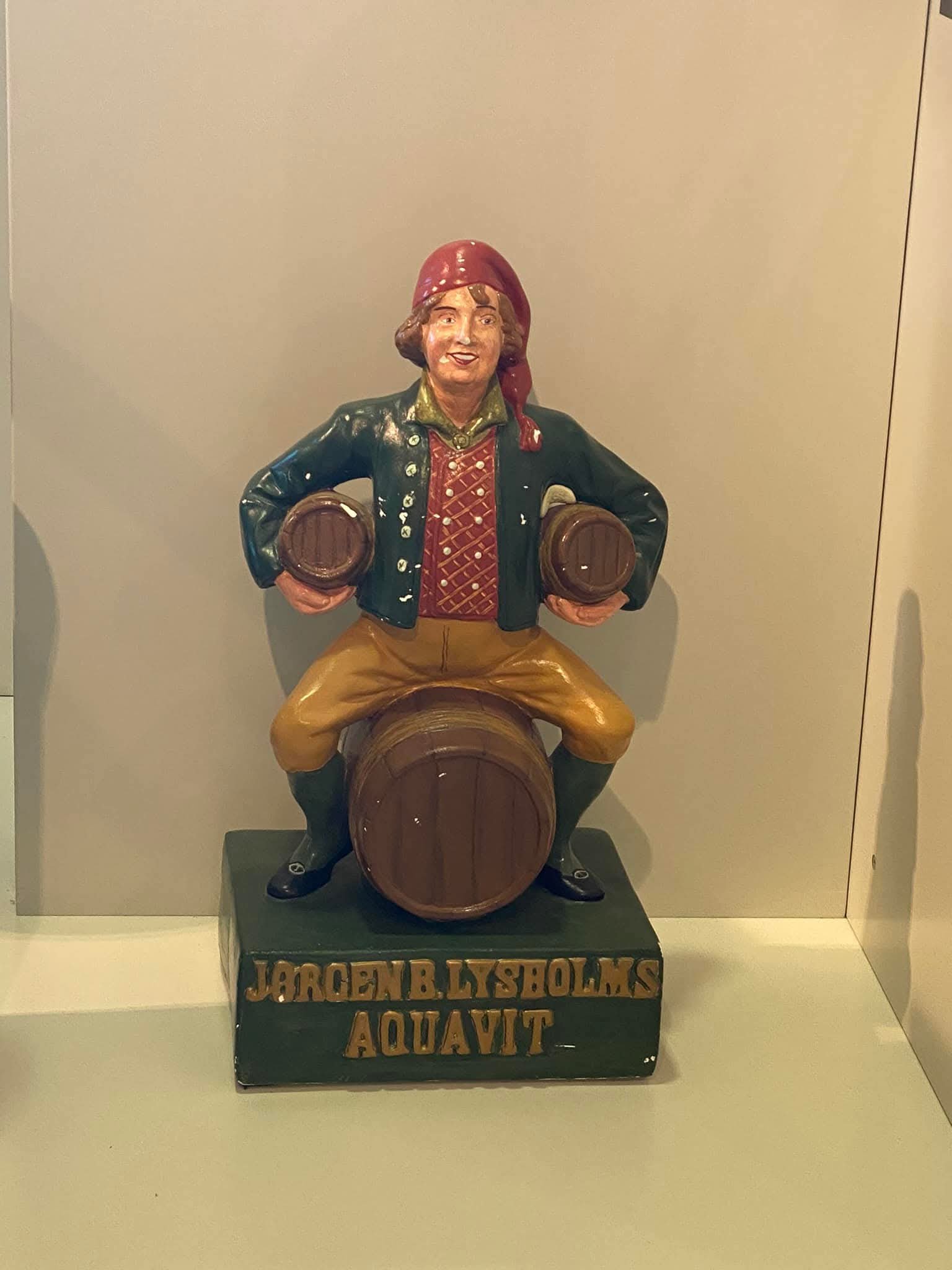
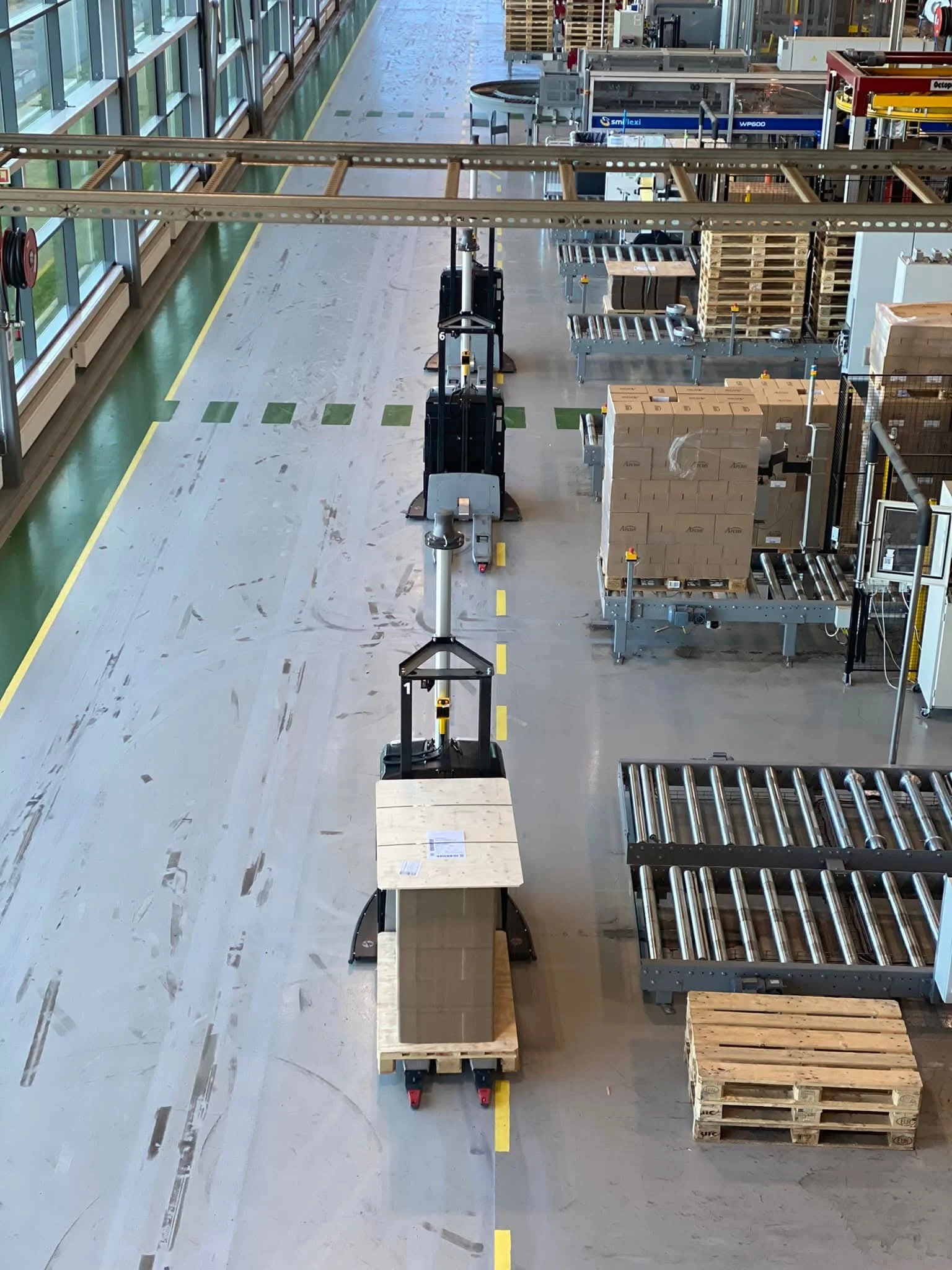
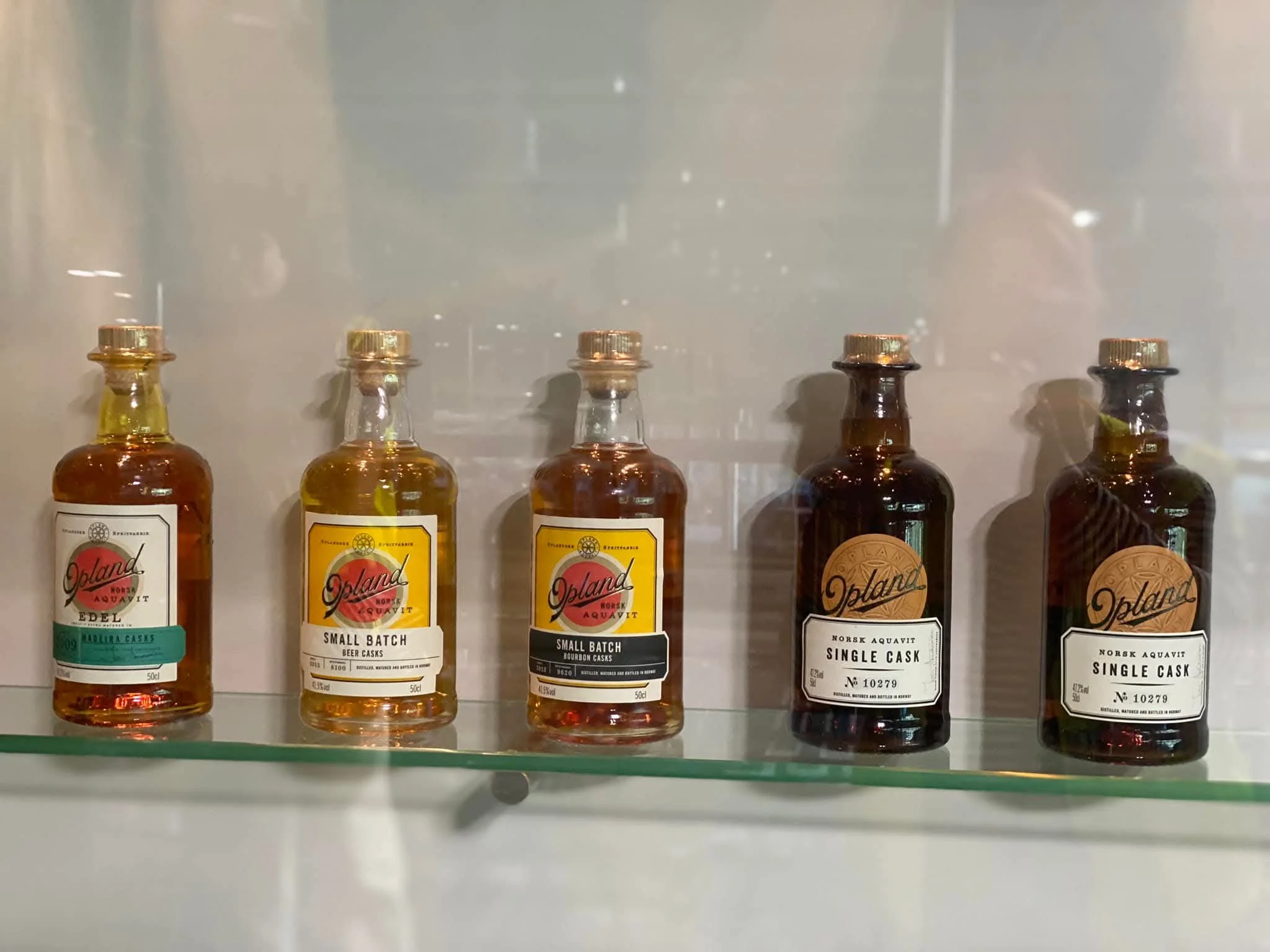
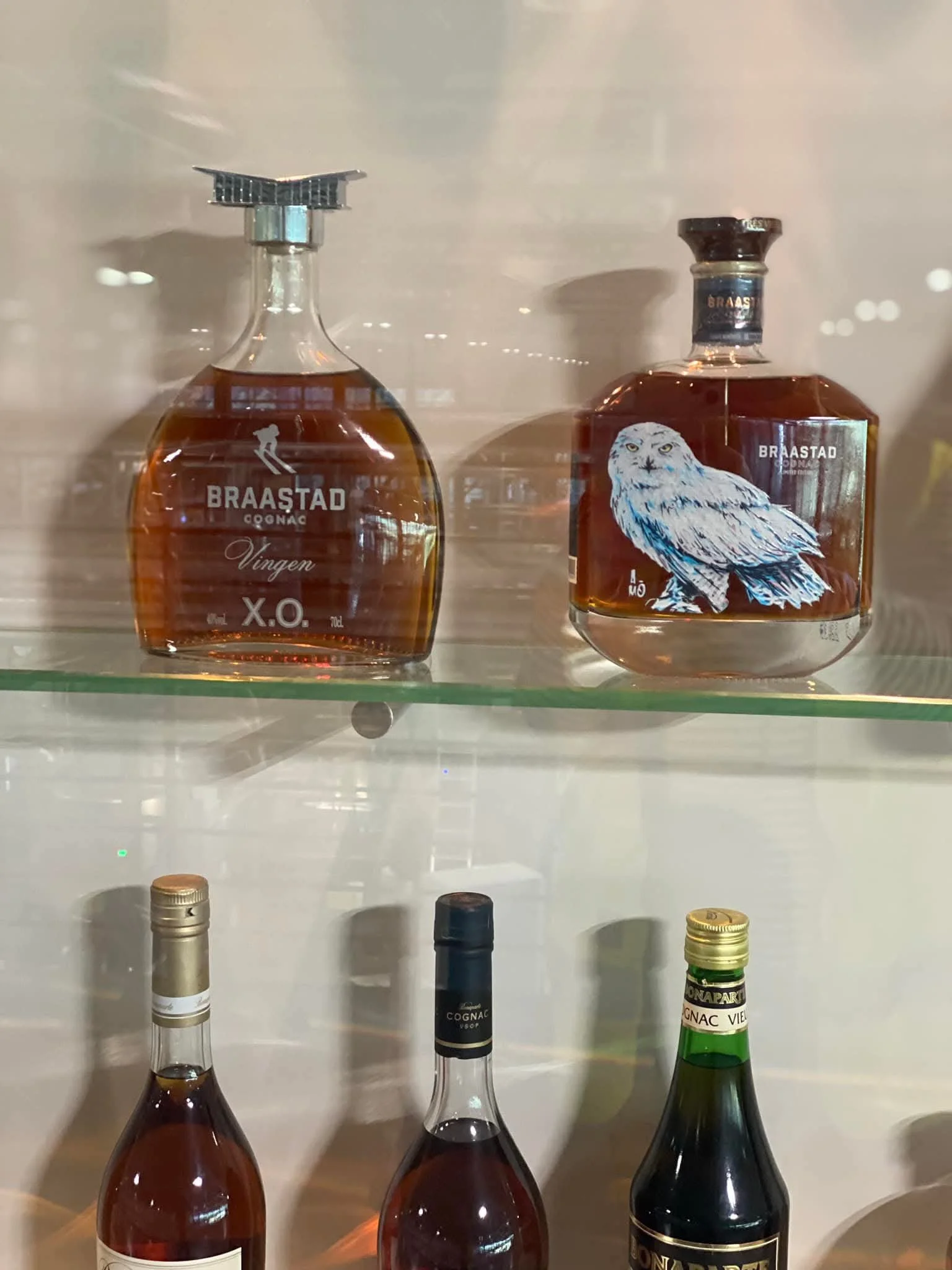
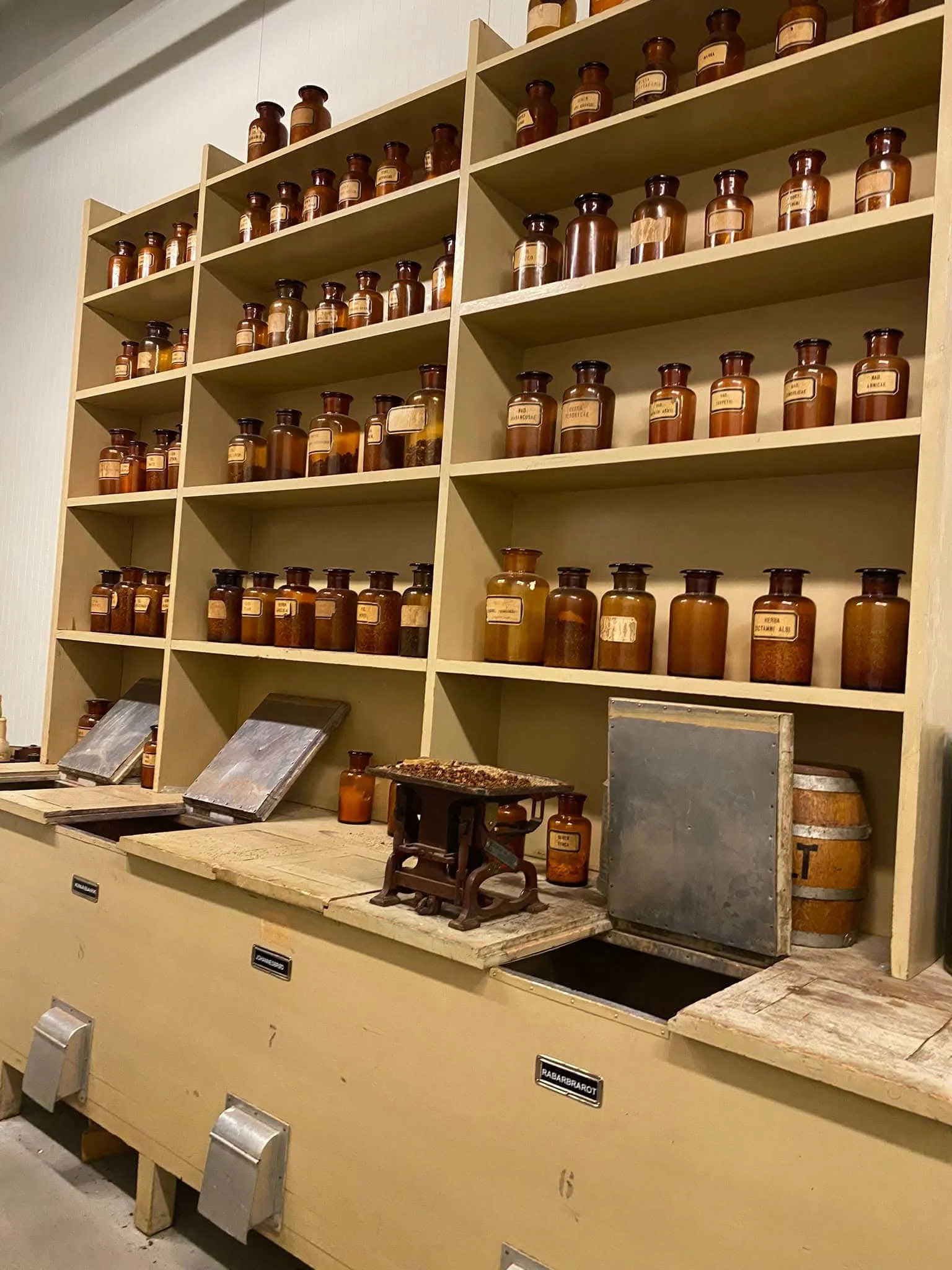
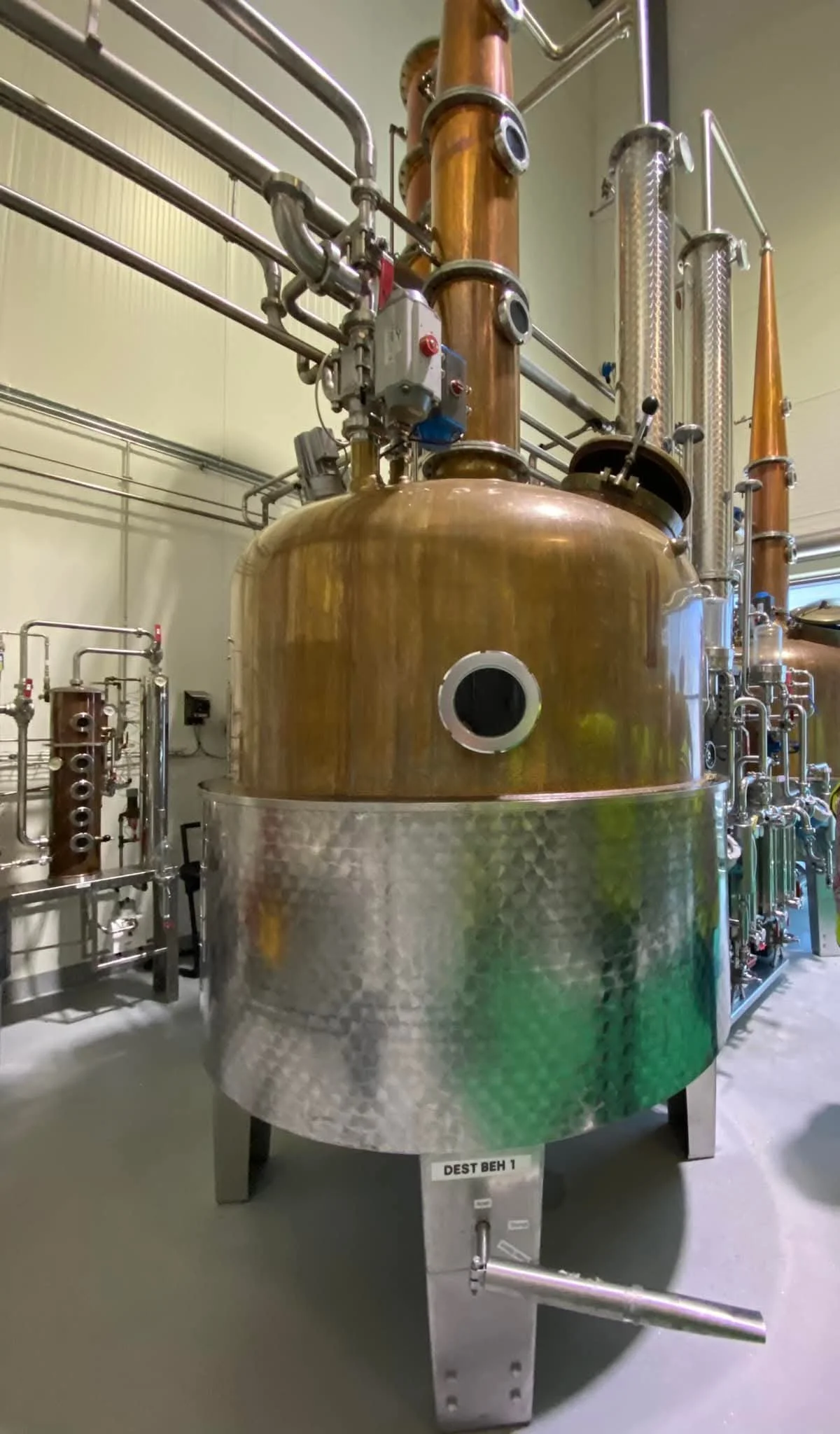
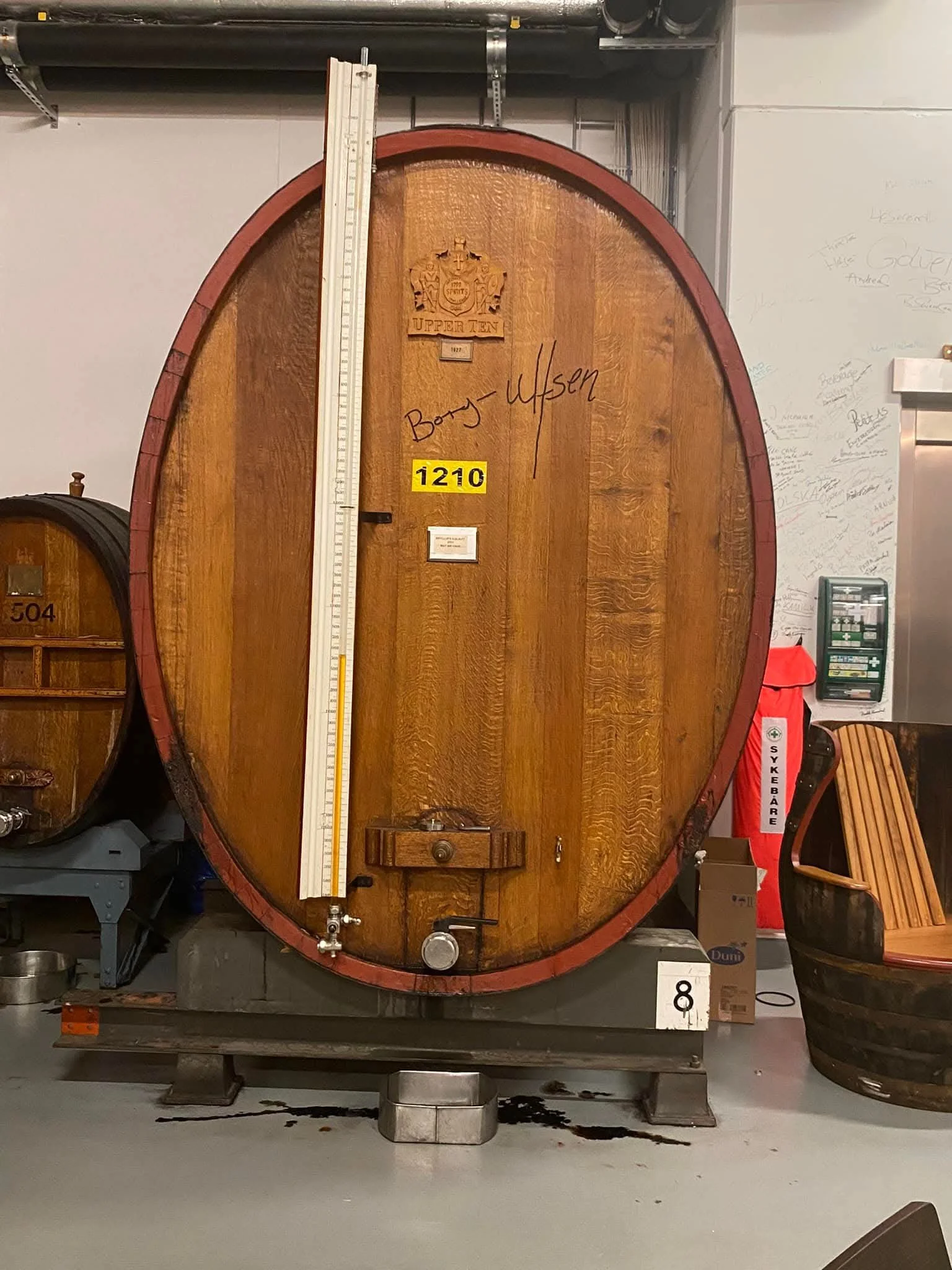
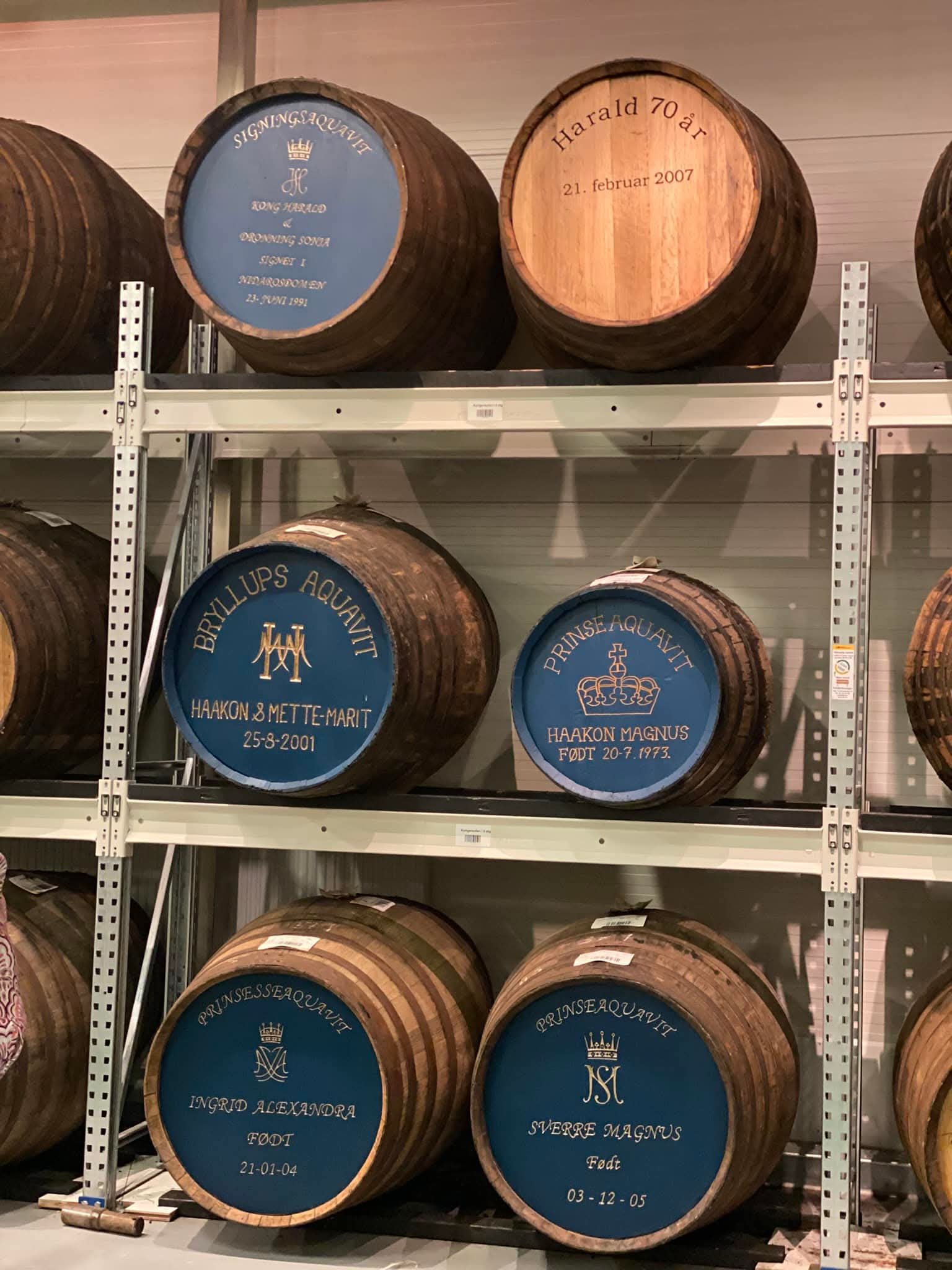
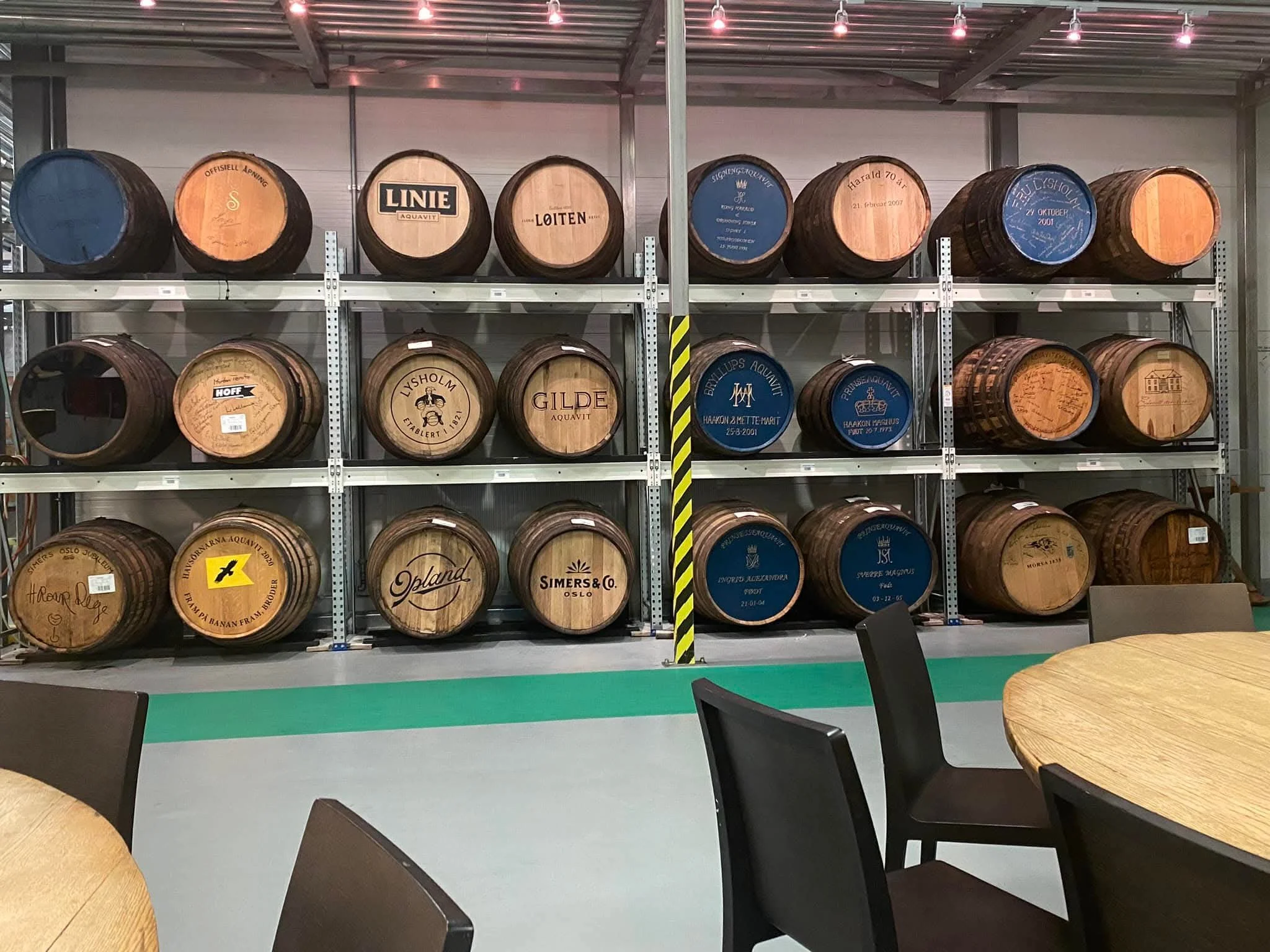
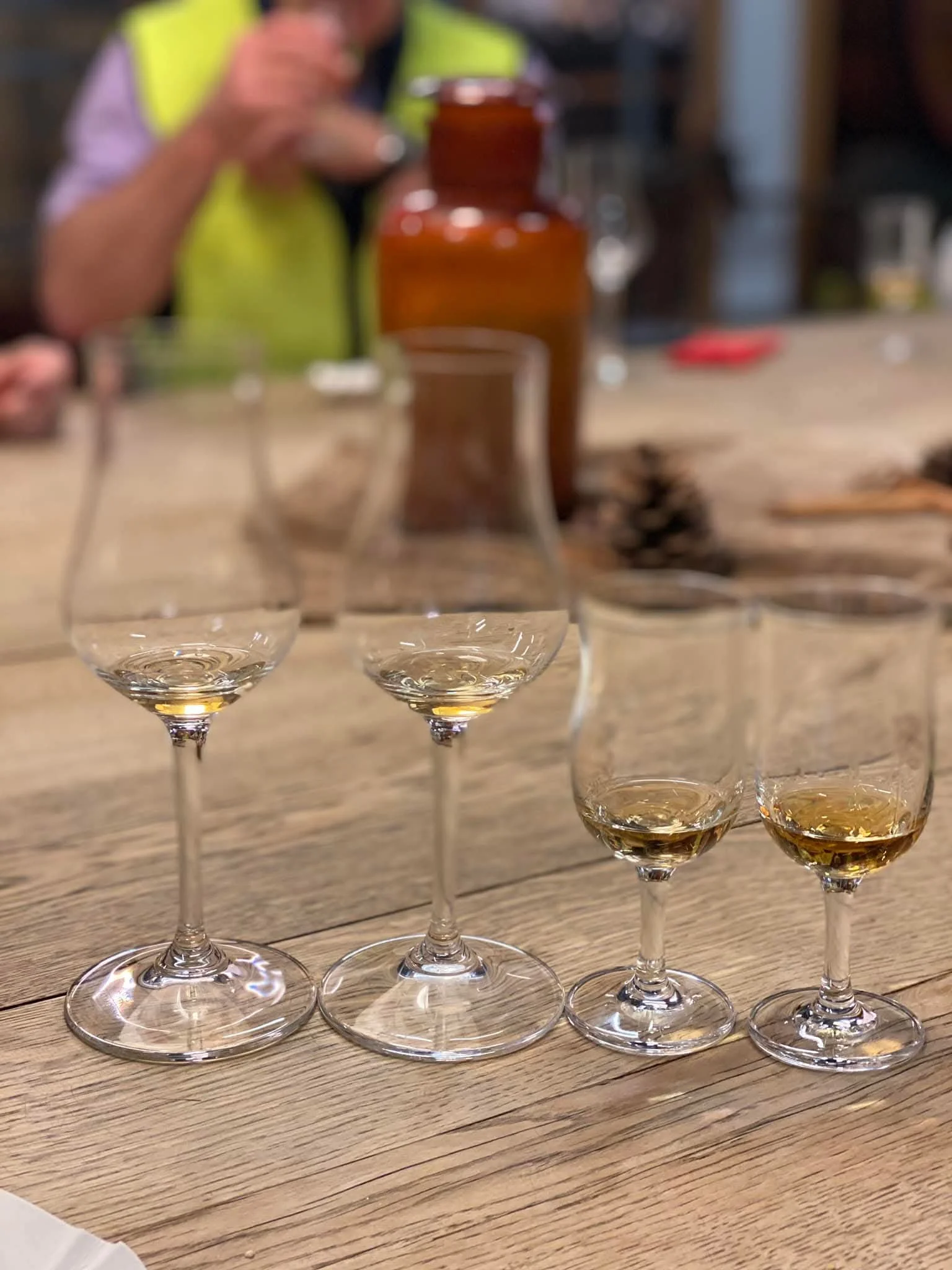
On my cruise aboard Explora I the experience ambassadors organized a visit to the government owned distillery of Akvavit, the national drink of Norway. We were able to sample a few of the flavors and had a walk through the factory - which runs 24 hours a day - with robots that look very much like those cars that do the google mapping across San Francisco! We were given a tour through the factory, saw what was the original research lab and then went to the cave where they store the spirit as it matures! It was a great afternoon and as always, made some wonderful new friends like Julie Whitehead Thomas

Introduction
Akvavit, pronounced "ahk-va-veet," is much more than just a drink in Norway. It's a cultural institution, a symbol of national pride, and a cherished part of Norwegian heritage. This clear, strong spirit has a rich history, and its journey from being a homemade elixir to a government-controlled specialty is a fascinating tale. In this blog post, we will explore the history of akvavit, the government's intervention, and the diverse flavors that make it a quintessential Norwegian experience.
Akvavit's Historical Roots
The roots of akvavit can be traced back to the 15th century when it first appeared in Scandinavia. The name "akvavit" is derived from the Latin "aqua vitae," meaning "water of life," which was a common term for distilled spirits in Europe during that era.
Originally, akvavit was used for medicinal purposes. It was believed to have curative powers and was often infused with herbs and spices. The Norwegian version of akvavit was typically flavored with caraway seeds and dill, giving it a unique and distinctive taste.
Government Intervention
In the early 20th century, the Norwegian government decided to take control of the manufacturing process of akvavit, a move aimed at regulating the quality and taxation of this beloved spirit. The government established the Vinmonopolet, a state-owned company responsible for the distribution and sale of alcoholic beverages, including akvavit.
This intervention allowed the government to ensure the quality and safety of akvavit while generating revenue from its sale. It also eliminated the risks associated with homemade akvavit, which could sometimes be of dubious quality.
Akvavit is made through a process of distillation and flavor infusion, primarily using grain or potato-based spirits. The key to akvavit's unique flavor lies in the selection of spices and herbs used during production. While the exact recipe can vary from one distillery to another, here's a general overview of how akvavit is made:
Base Spirit:
* The production of akvavit begins with the creation of a base spirit, which is typically made from grains (such as barley, wheat, or rye) or potatoes. Some distilleries may also use other raw materials like corn or sugarcane.
Distillation:
* The base spirit is distilled to increase its alcohol content. This process involves heating the liquid to create vapor, which is then condensed back into liquid form. This results in a higher-proof alcohol.
Flavoring Ingredients:
* The distinctive flavors of akvavit are achieved through the use of a variety of herbs and spices. Common ingredients include caraway seeds, dill, anise, fennel, coriander, cardamom, and citrus peels. The choice of ingredients and their proportions can vary widely, giving different akvavit brands their unique flavor profiles.
Infusion:
* After distillation, the base spirit is infused with the chosen herbs and spices. This is often done in large stainless steel tanks or barrels, allowing the spirit to absorb the flavors over time. The duration of infusion varies depending on the desired flavor intensity.
Dilution and Bottling:
* Once the desired flavor is achieved, the akvavit may be diluted to the desired bottling strength with water. It's important to note that the final product should be clear and colorless. Some akvavits, like aged versions, may be aged in oak barrels for additional character.
Filtration and Quality Control:
* The akvavit is typically filtered to remove any remaining impurities and solids. Quality control measures are taken to ensure that the final product meets the desired standards for taste and aroma.
Bottling and Labeling:
* The finished akvavit is then bottled and labeled for distribution. It is often bottled at around 40-45% alcohol by volume (ABV), but this can vary depending on the specific type and brand.
Types and Flavors of Akvavit
Akvavit is not a one-size-fits-all beverage. Norway is known for producing a variety of akvavit styles, each with its own unique flavor profile. Some popular types and flavors include:
Linie Aquavit: This internationally renowned akvavit is aged in oak barrels and sails across the equator twice before bottling, a tradition that began in the 19th century. It has a complex and mellow flavor with hints of dill and caraway.
Taffel Aquavit: A classic and versatile akvavit, it is characterized by its balanced flavors of caraway and anise. It's often enjoyed as an accompaniment to traditional Norwegian dishes.
Jubileums Aquavit: Celebrating special occasions with Jubileums Aquavit is a Norwegian tradition. It's known for its smooth and refined taste, often featuring a blend of spices and citrus notes.
Nordenfjeldske Aquavit: Hailing from the northern regions of Norway, this akvavit is known for its robust and bold flavor, with a prominent presence of caraway.
Conclusion
Akvavit, Norway's national alcoholic drink, has come a long way from its medicinal origins to become a symbol of Norwegian culture and tradition. The government's intervention in regulating its production has ensured its quality and safety. With its diverse range of flavors and styles, akvavit remains a cherished part of Norwegian celebrations and cuisine, and it continues to be a source of national pride. Whether sipped on its own or enjoyed with traditional dishes, akvavit is a taste of Norway's rich heritage in every glass. Skål!